
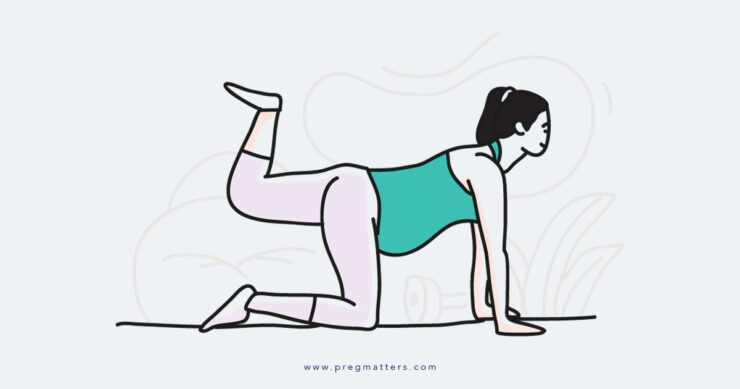
For most people with an uncomplicated pregnancy, regular movement is safe and useful. It can support fitness, mood and everyday comfort, and reduce the likelihood of some complications such as gestational diabetes. You can benefit without training hard or buying special equipment.
Your starting point, symptoms and pregnancy care plan matter. If you are exhausted, sick, in pain or have been advised to restrict activity, the next step is a manageable plan with your team, not pushing through.
Check what is suitable for your pregnancy
Discuss your usual activities and any new exercise programme with your midwife or doctor. Tell them about medical conditions, injuries, previous pregnancy complications and what you would like to keep doing.
If you have a pregnancy complication, get individual advice before starting, continuing or returning to exercise. Conditions such as persistent bleeding, ruptured membranes, preterm labour, pre-eclampsia, some placental problems, concerns about fetal growth, significant anaemia or poorly controlled heart, lung or metabolic disease can change what is safe.
A list online cannot decide whether you need to stop, modify or be supervised. Twins, a previous caesarean or not having exercised before do not automatically mean all activity is off limits. Ask for a clear plan for your situation and what would prompt reassessment.
How much activity should I aim for?
Australian guidance for healthy pregnancies recommends activity on most days, aiming for 150–300 minutes of moderate-intensity activity each week, plus muscle-strengthening activity on at least two days. At a moderate intensity, you should still be able to carry on a conversation.
If you are starting from little activity, begin with small amounts and increase gradually. A short walk counts. You can split movement into manageable sessions and adjust on days when you feel unwell.
National guidance also includes vigorous activity options. If you already train vigorously, discuss how to adapt your routine with a suitably qualified health professional. Athletes and anyone planning high-volume training need individual advice. There is no need to start vigorous exercise to gain benefits.
Activities that may work well

- Walking at a comfortable pace or building towards a brisk walk.
- Swimming or water-based activity in a suitable environment.
- Stationary cycling, which avoids the fall risk of riding outdoors.
- Pregnancy-adapted strength work using manageable resistance.
- A pregnancy-appropriate class led by someone qualified to adapt activities.
Let the instructor know you are pregnant and tell them about any restrictions or symptoms. Strength work should use controlled movements and normal breathing; ask for alternatives to heavy straining or breath-holding.
Pelvic floor exercises are recommended during pregnancy. Learning both the contraction and relaxation matters. If you have pain, a feeling of heaviness, leakage or difficulty with the exercises, ask a pelvic health physiotherapist for guidance rather than simply doing more.
Adapt as your body and balance change
Choose activities with a low risk of collision, falling or a blow to the abdomen. Avoid contact sports, scuba diving and activities with major pressure changes. Seek advice before high-altitude activity; Australian guidance advises avoiding exercise above 2,000 metres.
Stay hydrated, wear comfortable clothing and suitable footwear, and avoid exercising in excessive heat or humidity. Heated exercise classes are not a good option. Warm up and cool down gradually.
In the second and third trimesters, avoid prolonged exercise lying flat on your back. Ask how to adapt those movements to a supported, side-lying, seated or standing position. Stop and change position if you feel dizzy, faint or unwell.
There is no need for a blanket ban on every familiar activity, but do not assume your old routine will suit every stage. Review it if you develop symptoms or your maternity team identifies a concern.
Stop exercising and seek advice for warning signs
Stop and contact your maternity team promptly if exercise brings on pain, dizziness, feeling faint, headache, unusual breathlessness or weakness. Do not restart simply to test whether the symptom returns.
Seek immediate maternity or emergency assessment for:
- Vaginal bleeding or possible leaking waters.
- Contractions, pelvic pressure or abdominal/lower back pain that could be preterm labour.
- Calf pain, swelling or redness, particularly in one leg.
- Severe headache, vision changes or sudden swelling.
- Reduced, weaker or concerningly changed baby movements.
Call 000 for chest pain, severe breathing difficulty, collapse, heavy bleeding or another emergency. If you cannot reach your maternity team for urgent symptoms, go to the nearest hospital. Do not use a home Doppler, food or drinks as a test of your baby’s wellbeing.
Exercise is support, not a guarantee
Being active can help your health, but it cannot promise an easy labour, a vaginal birth, freedom from complications or a quick recovery. A complication is not evidence that you did too little exercise.
Exercise also does not replace treatment for high blood pressure, diabetes, depression or persistent pain. If you have gestational diabetes, your team can help match activity with your glucose-monitoring, food and medicine plan.
Eat and drink enough to support your pregnancy and activity. Avoid using exercise to compensate for food or chase weight loss. Ask for support if nausea, food access or fatigue makes this difficult.
Make the plan easy to adjust
At an antenatal appointment, ask which activities suit you, what to modify, and which symptoms mean stopping. If pain is limiting movement, our pregnancy discomforts guide can help you prepare questions.
After birth, returning to activity is individual and gradual. Your recovery, symptoms and birth experience matter more than a universal deadline.
Sources and further reading
- Australian Government: Physical activity recommendations for pregnancy
- RANZCOG: Exercise during pregnancy
- Pregnancy, Birth and Baby: Pelvic floor exercises
This is general information for Australian readers. Your maternity clinician can advise on exercise when you have symptoms or a medical or pregnancy complication.