
How to Trim Baby Nails Safely
The best way to trim baby nails is to work slowly, in good light, when your baby is settled. A soft emery


At 22 weeks pregnant, you may be noticing stronger sensations of movement and more strain on your back or hips. Some days may feel comfortable and others less so. Your care team can help with symptoms as well as tests; discomfort does not have to become severe before you mention it.
Your baby is moving and changing position within the uterus. Their position now is not fixed for the rest of pregnancy. These movements are part of ongoing development, while many body systems still have more maturing to do.
Backache, aching hips, leg cramps, constipation and haemorrhoids can occur around this stage. Fluids, fibre and gentle activity may help constipation; if haemorrhoids are painful or itchy, ask your clinician about treatment. Get advice about bleeding rather than assuming its source.
Ankles can swell later in the day, but sudden swelling, particularly of your hands or face, needs urgent assessment. Pain or swelling in just one leg also needs immediate medical advice. These should not be treated as an ordinary part of pregnancy without checking.
First movements are usually felt between 16 and 24 weeks. You do not need to compare the strength of a sensation with someone else’s baby, or meet a fixed daily kick count.
A reduction or a concerning change still needs immediate contact with your midwife, doctor or hospital maternity unit. Do not wait overnight or use a home Doppler for reassurance. If you cannot reach your usual team, go to a hospital maternity or emergency unit. Contact your team if you have never felt movement by 24 weeks, and sooner if you are worried.
Some people feel irregular tightenings called Braxton Hicks in the second trimester. Not everyone notices them. A webpage cannot tell you whether a particular tightening is harmless.
At 22 weeks, regular or painful contractions, new pelvic pressure, persistent lower back or abdominal pain, leaking fluid or bleeding need immediate assessment. Call your maternity team and go to hospital if you think labour may be starting. Do not wait for contractions to reach a particular spacing.
If an anatomy scan or follow-up is still outstanding, contact your care team to make a plan. The usual morphology scan window is around 18 to 22 weeks, but a missed appointment is a reason to ask what to do next, not to assume assessment is no longer possible.
Ask when to arrange the blood glucose test usually offered at 24 to 28 weeks, and check your vaccination plan. Tests are offered so you can make informed choices; your clinician can explain the purpose, preparation and alternatives relevant to you.
If you would like birth or parenting classes, ask about local, online or small-group options. You can also tell your midwife or GP about worry, stress or difficulty coping. Support is part of care, not something you have to earn by being overwhelmed.
In Australia, call 000 for heavy bleeding, severe abdominal pain, severe breathing difficulty, chest pain or collapse. Do not drive yourself if faint or very unwell.
Contact your GP, midwife or hospital immediately for vaginal bleeding, leaking fluid, fever, vomiting that prevents drinking, persistent or worsening pain, or concerning contractions. Severe headache, blurred vision, sudden swelling or pain under your ribs also needs urgent assessment. If your usual team is unavailable, seek urgent care rather than waiting for an appointment.
Previous: 21 weeks pregnant · Next: 23 weeks pregnant · Planning your prenatal care
This is general information for Australian readers, not a diagnosis or a personalised care plan.
The best way to trim baby nails is to work slowly, in good light, when your baby is settled. A soft emery

Pain around the tailbone can make sitting, standing up or going to the toilet uncomfortable. It is worth asking for help, particularly

A sore shoulder during pregnancy may come from muscles, tendons, an injury or your neck. Sometimes pain felt in the shoulder comes
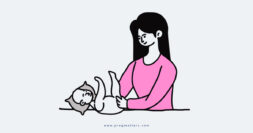
To change a nappy, get everything ready, keep your baby safely supported, gently clean their skin, and put on a fresh nappy.

The best breastfeeding position is one that supports your baby, lets them attach effectively and is comfortable for you. A hold that