

A damp patch in your bra during pregnancy can be surprising. Your breasts may leak colostrum, the first milk they produce. Some people notice drops during pregnancy and others do not. Neither amount tells you how breastfeeding will go after birth.
Small amounts of clear, whitish or yellowish fluid can be colostrum. Do not assume every nipple discharge is pregnancy-related, especially if it is bloody, comes from only one breast or is accompanied by a lump or skin change.
Manage dampness gently
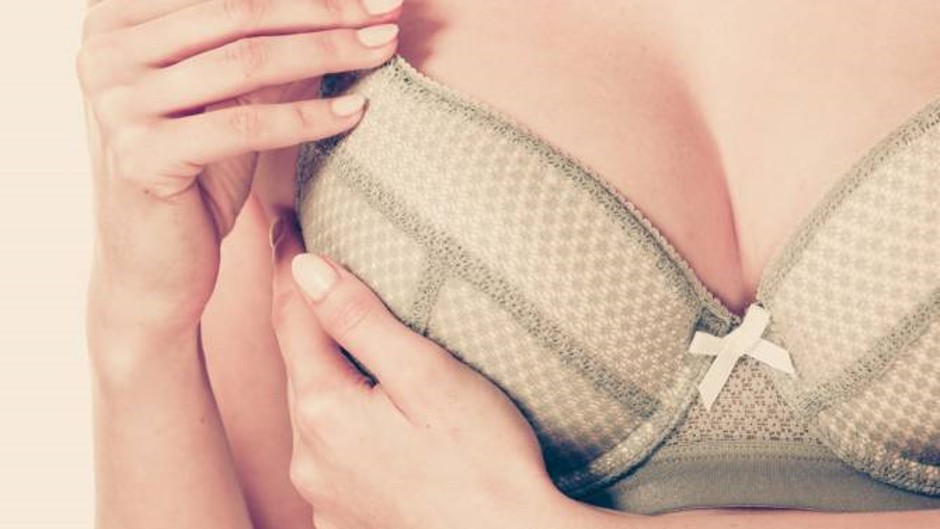
You do not need to stop an ordinary colostrum leak. Focus on comfort:
- Use washable or disposable breast pads if you find them helpful, and change them when damp.
- Choose a comfortable bra that supports your breasts without pressing tightly.
- Wash reusable pads according to their instructions and let them dry thoroughly.
- Keep a spare pad and top handy if leaks are frequent. Layers or patterns are optional ways to make wet patches less noticeable, not something you owe other people.

Avoid repeatedly squeezing your nipples to check for milk, binding your breasts or using firm pressure to stop a leak. If your nipples are sore, cracked or irritated, ask your midwife or GP for advice rather than applying an unverified cream or home remedy.
Should you express or collect colostrum before birth?
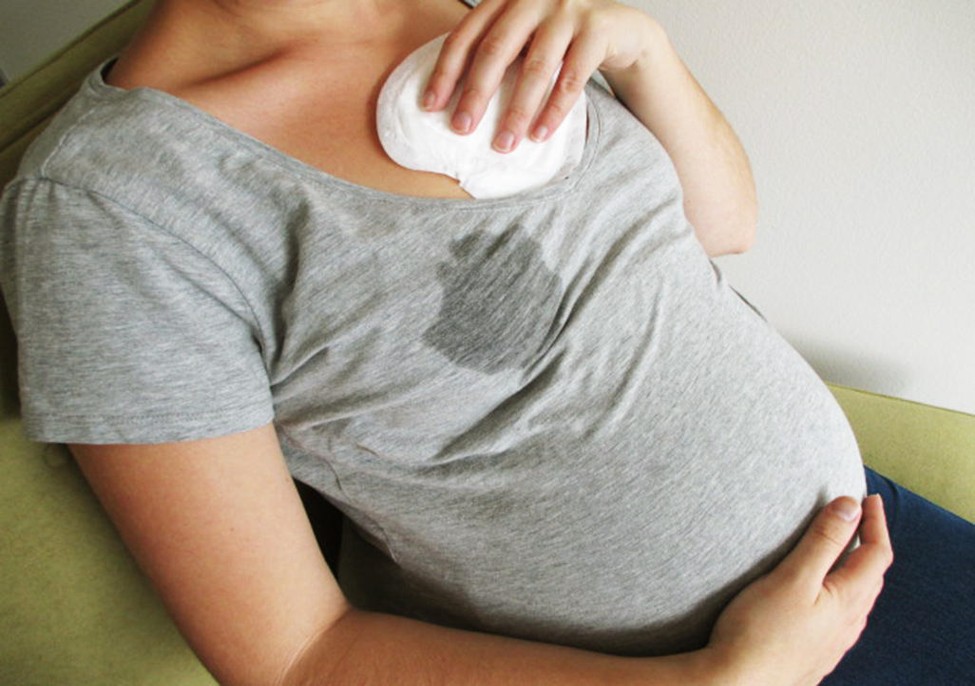
Talk with your midwife or obstetrician before starting any antenatal expressing or using a pump or suction collector. Whether expressing is suitable, and when to start, depends on your pregnancy and the chance of early labour. Leaking is not an instruction to begin collecting milk.
Some people are offered a plan for hand expressing in late pregnancy, for example when their baby may need additional feeding support after birth. It is optional and is not suitable for every pregnancy. Ask your maternity team to show you the technique and give you their collection, labelling, freezing and transport instructions.
If an agreed expressing session brings on contractions, vaginal bleeding or pain, stop and contact your maternity service immediately. Contact them immediately for leaking fluid from the vagina or reduced or changed baby movements too. Do not continue expressing while waiting for advice.
Not collecting any colostrum does not mean you will be unable to breastfeed. Stored colostrum also does not guarantee your baby will not need other feeding or medical support.
Which breast changes need assessment?

Arrange prompt medical assessment for blood-stained discharge, new or persistent discharge from just one breast, a new lump, nipple ulceration or inversion, or a persistent skin change. These symptoms can have several causes. They should not be dismissed because you are pregnant or breastfeeding, and you do not need to wait until after birth.
Seek same-day medical care for a hot, swollen or increasingly painful breast, especially with fever, chills or feeling unwell. Call 000 if you become severely unwell, collapse or have difficulty breathing.

If leaking continues after your baby is born
Leaking during and between feeds is common, particularly in the early weeks. It may settle with time, but some people continue to leak and others rarely do. Follow your baby’s feeding cues and any individual feeding plan rather than imposing fixed feeding times to prevent leaks.
Do not judge milk supply by wet patches, breast fullness or how much a pump collects. Feeding effectiveness, your baby’s nappies and growth give more useful information. Get early help for pain, poor attachment or concerns that your baby is not getting enough milk. Avoid extra pumping just to “empty” the breasts or stop leaking unless a professional has advised it for your situation.
This is general information. New or unexplained discharge outside pregnancy or breastfeeding also needs medical advice; do not rely on a fixed number of weeks after weaning to decide whether to seek help.
Sources and further reading
- Australian Breastfeeding Association: leaking breasts
- Australian Breastfeeding Association: expressing before birth
- Pregnancy, Birth and Baby: expressing during pregnancy
- Pregnancy, Birth and Baby: breast changes and breastfeeding
- Cancer Australia: investigation of a new nipple discharge
- Healthdirect: mastitis
- Australian Breastfeeding Association: assessing milk supply
- Australian Breastfeeding Association: oversupply
Information checked against these sources on 1 October 2026.