
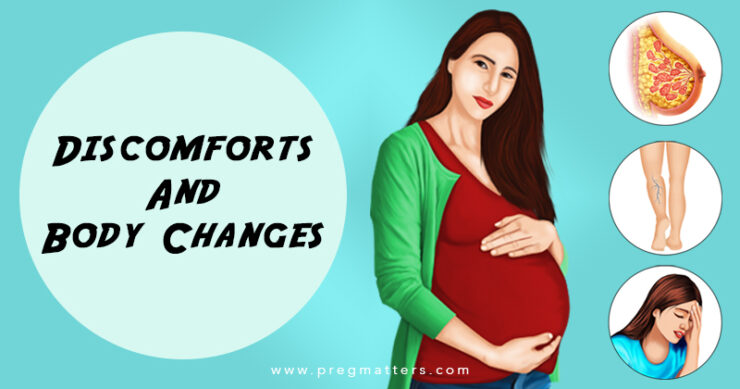
Pregnancy can bring changes you expected and others that take you by surprise. A symptom may be common and still deserve attention, especially when it affects sleep, eating, movement or daily life.
This guide covers practical first steps and when to ask for help. It cannot tell you the cause of a new symptom. If something feels wrong, contact your midwife or doctor rather than assuming it is part of pregnancy.
Symptoms that need urgent help
Call 000 for collapse, severe chest pain, serious breathing difficulty, heavy bleeding or another medical emergency. Seek immediate maternity or emergency assessment for:
- Severe or worsening abdominal pain, or early-pregnancy pain with shoulder-tip pain, dizziness or faintness.
- Vaginal bleeding, possible leaking waters, or signs of labour before 37 weeks.
- A severe headache, vision changes, pain under the ribs or sudden swelling of the face or hands.
- Fever, feeling very unwell, or vomiting that prevents you keeping fluids down.
- One leg becoming painful, swollen, red or warm.
- Your baby’s usual movements becoming weaker, reduced, absent or changed in a way that concerns you.
Do not wait for the next appointment about movement concerns or use food, a drink, hiccups or a home Doppler to check your baby yourself. If your maternity team cannot be reached, go to the nearest hospital.
Nausea, vomiting and heartburn
For mild nausea, try smaller, more frequent meals and small sips of fluid. Choose foods you can tolerate and reduce exposure to smells that make you feel worse. Treatment is available if nausea is limiting eating, drinking or daily activities; you do not need to wait until you lose weight.
Very dark or scant urine, faintness, inability to keep fluids down or repeated vomiting need urgent advice. See our nausea and hyperemesis guide.
For heartburn, smaller meals, avoiding your own food triggers and staying upright after eating may help. Ask your pharmacist or clinician about pregnancy-suitable treatment. Severe upper abdominal or under-rib pain, especially with headache or vision symptoms, should not be treated as ordinary indigestion without assessment.
Constipation and haemorrhoids
Hard stools and straining can be uncomfortable and may aggravate haemorrhoids. Gradually adding fibre, drinking regularly, moving as you are able and going when you feel the urge can help. A pharmacist or doctor can advise on a suitable laxative if needed.
Do not stop prescribed iron on your own if it seems to worsen constipation; ask about alternatives. Have rectal bleeding or ongoing pain checked rather than assuming it is haemorrhoids. Severe abdominal pain, vomiting or inability to pass stool and wind needs urgent medical assessment.
Back, pelvic and tailbone pain
Changes in how your body carries weight can affect your back and pelvis. An old injury, muscle strain or pelvic girdle pain may also contribute. A comfortable chair, breaks from prolonged sitting or standing and pacing heavy tasks may help assessed musculoskeletal pain.
Ask about physiotherapy if pain persists or limits walking, dressing or sleep. Exercise should be matched to you; you do not need to push through pain or follow a generic stretching routine.
New, one-sided or persistent pelvic pain needs clinical advice. Severe pain, bleeding, faintness or shoulder-tip pain needs urgent care. Our early pelvic pain guide and tailbone pain guide explain these different concerns.
Headaches, dizziness and tiredness
Rest, regular meals, fluids and reducing a known headache trigger may help a mild familiar headache. Ask about suitable pain relief. A sudden, severe or unusual headache, headache with vision changes, or one that is not settling needs prompt assessment. Do not wait to see whether medicine works when you have warning symptoms.
If you feel light-headed, sit or lie safely on your side and ask for help. Stand up slowly once you feel better. Recurrent dizziness or tiredness that is marked or affecting daily life needs review; your clinician may check for problems such as anaemia. Fainting, chest pain, breathlessness or dizziness with abdominal pain or bleeding needs urgent care.
Make space for rest where possible, but do not feel you have to accept exhaustion without support. Tell your team about poor sleep, low mood or anxiety too.
Leg cramps, swelling and varicose veins
A brief calf cramp can sometimes ease with gentle stretching. Ask your midwife or physiotherapist to show you a comfortable technique. Persistent pain or swelling in one leg needs urgent assessment for a blood clot; do not massage it or assume it is a cramp.
For gradual ankle swelling or aching varicose veins, changing position, gentle movement and resting with your feet raised may help. Ask whether correctly fitted compression stockings suit you. Sudden swelling, particularly of the face or hands, needs immediate maternity advice.
Do not start magnesium, calcium or other supplements just because you have cramps. Ask whether there is a reason for supplementation and what is suitable.
Hand tingling and numbness
Carpal tunnel syndrome can cause tingling, pain or numbness in the hands during pregnancy. It involves pressure on a nerve at the wrist. Taking breaks from aggravating tasks and an appropriately fitted wrist splint may help.
Have persistent symptoms, weakness or loss of function assessed. Not every kind of numbness is carpal tunnel. New leg weakness, numbness around the genitals or bottom, or loss of bladder or bowel control with back pain requires emergency care.
Itchy skin and other skin changes
Stretch marks and changes in skin pigmentation can occur. Gentle, fragrance-free moisturiser may make dry skin more comfortable, but creams cannot promise to prevent stretch marks.
Tell your maternity team promptly about new or persistent itching, especially on the palms or soles, at night or without a rash. Cholestasis of pregnancy can cause itching and needs blood tests and a care plan. Do not wait for moisturiser to work before reporting it.
Ask before using medicated or cosmetic skin treatments during pregnancy. A changing mole, new rash or other worrying skin change deserves assessment.
Breast changes, blocked nose and gum symptoms
Breasts may feel fuller or tender, and some people leak colostrum before birth. A comfortable supportive bra and breast pads can help. A new lump, persistent localised pain, redness or unusual nipple discharge should be checked.
A blocked nose or occasional nosebleed can occur. Ask a pharmacist about pregnancy-suitable options rather than starting a decongestant yourself. Get help for heavy bleeding, bleeding that will not stop or feeling faint.
Bleeding gums and tooth sensitivity should not be ignored. Dental care can be provided during pregnancy. Our toothache guide explains safe treatment and urgent dental symptoms.
Needing to wee and bladder leakage
Going more often or leaking urine with a cough can happen during pregnancy. You can ask about pelvic health physiotherapy and suitable pelvic floor exercises.
Burning, pain or blood when passing urine needs medical advice; fever or back/flank pain needs urgent assessment. If you are unsure whether a watery leak is urine or your waters, contact your maternity unit immediately. Do not reduce fluids to try to stop leakage.
A manageable plan for symptoms
At your antenatal appointments, describe what the symptom stops you doing, what you have tried and whether it is changing. Ask when to expect improvement and who to contact if it does not happen.
Check medicines, creams, herbal products and supplements with your doctor or pharmacist. Do not stop prescribed treatment without advice. This list is not exhaustive: you can ask for help about a symptom even if it is not mentioned here.
Sources and further reading
- Healthdirect: Warning signs during pregnancy
- Australian Government: Common conditions during pregnancy
- Pregnancy, Birth and Baby: Common discomforts
- Pregnancy, Birth and Baby: Cholestasis
- Healthdirect: Medicines during pregnancy
This is general information for Australian readers, not a diagnosis. Your maternity team can help you make a plan for your symptoms.