
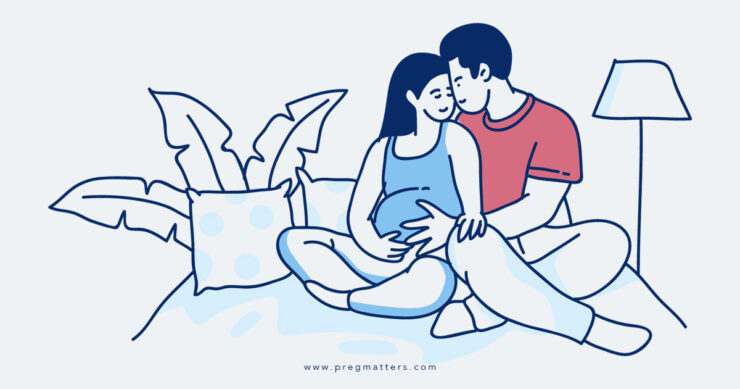
Your interest in sex might increase, decrease, come and go or stay much the same during pregnancy. There is no amount of desire you are supposed to have, and no schedule you need to keep up with.
Feeling less interested does not mean you care less about a partner. Feeling more interested is also common. What matters is that any sexual contact is wanted, comfortable and appropriate for your pregnancy.
Why desire can change
Nausea, sore breasts, tiredness, changes in body image and worries about pregnancy can affect how you feel about sex. Hormonal and physical changes can alter sexual sensations too. Your partner may have their own worries or a different level of interest.
Some people feel more comfortable as early symptoms ease; others do not. Later, a growing abdomen or disrupted sleep may change what feels enjoyable. These are possibilities, not a trimester-by-trimester forecast. You do not need to wait for a particular week to talk about discomfort or concerns.
Stress, relationship difficulties, some medicines and health conditions can also affect libido. If a change is distressing, or sex has become painful, speak with your GP or maternity team. Do not stop prescribed medicine or start a libido supplement without checking with your clinician.
Consent matters every time
You can say no, change your mind or stop at any point, including after sexual contact has started. Being pregnant, married or in a relationship does not create an obligation to have sex. Agreeing to one kind of touch does not mean agreeing to something else.
A useful conversation can be as simple as: “I would like some closeness, but I do not want sex tonight,” or “That is uncomfortable; please stop.” A partner should respect the answer without pressure or guilt.
When you both want closeness, that might mean talking, cuddling, kissing or a gentle massage. It is also fine to want space. There is no requirement to replace intercourse with another sexual activity.
Is sex safe during pregnancy?
In an uncomplicated pregnancy, sex and orgasm are generally safe. If you have a pregnancy complication or symptoms, ask your midwife or doctor for advice specific to you.
Pause sexual activity and seek advice if you have bleeding, unexplained abdominal pain or signs of preterm labour. Avoid vaginal intercourse if your waters have broken or may have broken, and contact your maternity team. Conditions such as placenta praevia or a problem with the cervix may require particular precautions.
If you are advised to avoid sex, ask what that means in your situation: vaginal penetration, orgasm or other activities; for how long; and when the advice will be reviewed. A past complication does not mean every form of intimacy is automatically unsafe throughout a new pregnancy.
Keep comfort and infection protection in mind
If you want sex and have not been advised against it, take your time and choose a position that avoids uncomfortable pressure on your abdomen. Stop if it hurts. Water-based lubricant may help reduce friction and is compatible with latex condoms; oil-based products can damage latex.
Pregnancy does not protect against sexually transmitted infections (STIs). Condoms and, for oral sex, dental dams reduce risk, although they do not prevent every infection. Use a new barrier each time. If you or a partner has symptoms or a possible exposure, speak with a doctor or sexual health clinic about testing and advice before further sexual contact.
Symptoms after sex that need attention
Do not assume bleeding or pain is harmless because it happened after sex. Contact your maternity team or doctor immediately for vaginal bleeding, sharp or persistent abdominal pain, contractions that become regular or stronger, leaking fluid, fever or chills. Brief tightening can happen after orgasm, but persistent or worsening symptoms need assessment, especially before 37 weeks.
If your baby is moving less than usual or their usual pattern changes, contact your maternity service immediately. Call 000 for heavy bleeding with faintness, collapse, severe breathing difficulty or severe pain. Do not wait for the next appointment.
Get support if this feels difficult
If worries about intimacy are affecting you, your GP or midwife can help you find appropriate support. You can ask to speak with them privately. Support is about your comfort and wellbeing, not making you want sex more often.
Pressure, threats or forced sexual contact are not acceptable. In Australia, 1800RESPECT offers support for domestic, family and sexual violence. Call 1800 737 732 or use its online support. If you are in immediate danger, call 000.