
How to Trim Baby Nails Safely
The best way to trim baby nails is to work slowly, in good light, when your baby is settled. A soft emery

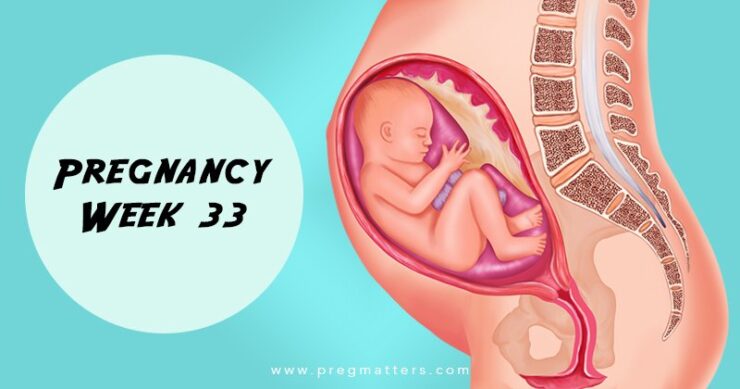
At 33 weeks pregnant, tiredness and the practical details of birth may be taking up more space in your day. You still have time to ask questions and organise support. Signs of labour at this stage need prompt assessment because your baby would still be premature.
Your baby is practising sucking and swallowing, while their lungs continue to mature. The liver is storing iron. These are ongoing processes; babies born at this stage may need specialist help with breathing, feeding and other care.
Reflux, aches, needing to wee more often and tiredness may be noticeable. Smaller meals and staying upright after eating may help reflux. Ask for advice if symptoms are persistent or getting in the way of eating, sleeping or moving comfortably.
Pain or burning when passing urine needs medical advice rather than simply drinking more water. Fever, pain or feeling very unwell needs urgent assessment. New itching, especially on your hands or feet or without a rash, should also be checked.
Start each sleep on either side, including naps. If you wake on your back, turn onto your side. Ask for support if sleep or emotional wellbeing is becoming difficult to manage.
Your baby should continue moving right up to and during birth. Reduced or weaker movements are not normal because the baby has less space. There is no single daily kick count to use as a pass-or-fail test.
Call your midwife, doctor or maternity unit immediately for a concerning change in strength, frequency or pattern. Do not wait overnight, use a home Doppler or try food or drink for reassurance. If your team cannot be reached, go to the nearest hospital maternity or emergency unit.
Regular or painful contractions, period-like cramps, pelvic pressure, persistent lower back pain, a change in discharge with blood, or a gush or trickle of fluid can be signs of early labour. Call your maternity team immediately and go to hospital if you think labour may be starting.
Do not wait for contractions to become five minutes apart or assume leaking fluid is urine. If you cannot contact the team, seek hospital care. Keep the after-hours number and transport arrangements easy to find.
Ask which tests or appointments are still ahead and when results will be discussed. If you missed whooping cough vaccination in the preferred 20-to-32-week window, ask about getting it as soon as possible. Being past 32 weeks does not mean it is too late to discuss protection.
You can also review RSV vaccination if it has not been given in this pregnancy. Ask your clinician about the current timing recommendations and your vaccination history.
Choose one practical task for the week, such as confirming care for other children, checking your hospital paperwork or asking someone to help with meals after birth. Our prenatal care guide can help you organise the care questions.
In Australia, call 000 for heavy bleeding, severe abdominal pain, severe breathing difficulty, chest pain or collapse. Do not drive yourself if faint or very unwell.
Contact your GP, midwife or hospital immediately for vaginal bleeding, leaking fluid, fever, vomiting that prevents drinking, severe headache, vision changes, sudden swelling or pain under your ribs. Regular or painful contractions, pelvic pressure or persistent lower back or abdominal pain before 37 weeks may be signs of early labour: call your maternity team and go to hospital. Seek urgent care if your usual team is unavailable.
Previous: 32 weeks pregnant · Next: 34 weeks pregnant · Planning your prenatal care
This is general information for Australian readers, not a diagnosis or a personalised care plan.
The best way to trim baby nails is to work slowly, in good light, when your baby is settled. A soft emery

Pain around the tailbone can make sitting, standing up or going to the toilet uncomfortable. It is worth asking for help, particularly

A sore shoulder during pregnancy may come from muscles, tendons, an injury or your neck. Sometimes pain felt in the shoulder comes

To change a nappy, get everything ready, keep your baby safely supported, gently clean their skin, and put on a fresh nappy.

The best breastfeeding position is one that supports your baby, lets them attach effectively and is comfortable for you. A hold that