
How to Trim Baby Nails Safely
The best way to trim baby nails is to work slowly, in good light, when your baby is settled. A soft emery


At 38 weeks pregnant, you may be noticing more tightenings or wondering whether each new feeling is the start of labour. You do not have to work it out alone. Your maternity team can help you decide when to come in and what needs checking.
Much of the fine body hair, called lanugo, has shed, while some protective vernix remains on the skin. Meconium, the first dark, sticky poo, is in your baby’s bowel. Your baby should continue moving; being near birth does not mean they should become less active.
Some people notice colostrum leaking from their breasts or more irregular Braxton Hicks tightenings. If contractions become painful or regular, or you need help managing them, call your care team. A guide cannot confirm whether labour has started.
Keep starting sleep on either side, including daytime naps. If you wake on your back, turn onto your side. Severe headache, vision changes, sudden swelling, pain under your ribs or severe itching needs immediate advice, even at this late stage.
There is no universal number of kicks to count. If your baby moves less, movements feel weaker or the pattern changes in a concerning way, call your midwife, doctor or maternity unit immediately.
Do not delay until morning, use a home Doppler or try to stimulate movement with food or drink. If the team cannot be reached, go to a hospital maternity or emergency unit. A normal check earlier in the week does not remove the need to call about a new change.
Your waters may leak as a trickle or a gush. Contact your maternity team immediately if you think this has happened, even if you are comfortable and contractions have not started. Use a sanitary pad rather than a tampon and note the time, colour and smell of the fluid.
Green or brown fluid, an unpleasant smell, fever, bleeding or changed movements needs urgent assessment. Tell the team your GBS result if you know it. They will discuss assessment and the timing of birth according to your circumstances; do not use a general online waiting period as your plan.
Avoid sex after your waters have broken. Ask your team about any other precautions while following their instructions. If you cannot reach them, attend hospital rather than delaying advice.
If you are travelling by car, check that the newborn’s approved rear-facing restraint is fitted correctly. Confirm what you need to bring to the hospital and who can help at home.
Ask about feeding support, checks after birth and how to contact your midwife, GP or child and family health service once you are home. You can also ask what support is available if recovery or feeding is harder than expected. Our prenatal care guide can help you collect those questions.
In Australia, call 000 for heavy bleeding, severe abdominal pain, severe breathing difficulty, chest pain or collapse, or if birth seems imminent and you cannot reach your planned place of birth safely. Do not drive yourself if faint or very unwell.
Contact your midwife, doctor or maternity unit immediately for vaginal bleeding, suspected waters breaking, fever, vomiting that prevents drinking, severe headache, vision changes, sudden swelling or pain under your ribs. Seek urgent care if your usual team is unavailable.
Previous: 37 weeks pregnant · Next: 39 weeks pregnant · Planning your prenatal care
This is general information for Australian readers, not a diagnosis or a personalised care plan.
The best way to trim baby nails is to work slowly, in good light, when your baby is settled. A soft emery

Pain around the tailbone can make sitting, standing up or going to the toilet uncomfortable. It is worth asking for help, particularly

A sore shoulder during pregnancy may come from muscles, tendons, an injury or your neck. Sometimes pain felt in the shoulder comes
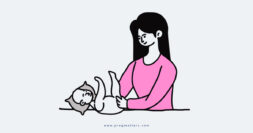
To change a nappy, get everything ready, keep your baby safely supported, gently clean their skin, and put on a fresh nappy.

The best breastfeeding position is one that supports your baby, lets them attach effectively and is comfortable for you. A hold that