
Formula Feeding: Choosing, Preparing and Feeding Safely
Table of Contents
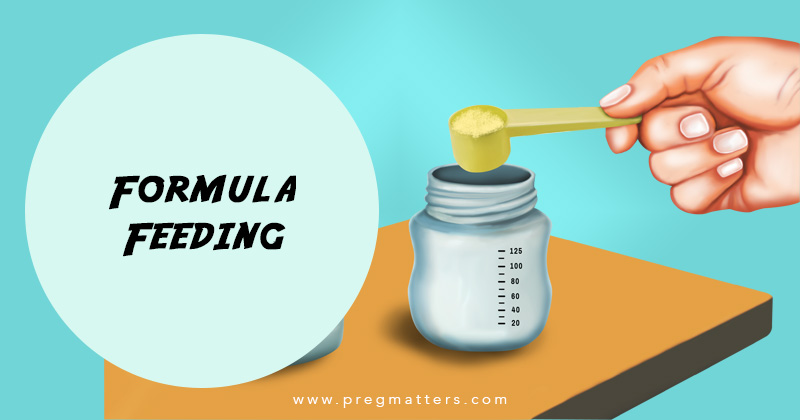
Infant formula can provide the milk nutrition a baby needs when they are not breastfed or need additional feeds. Safe preparation matters: use an age-appropriate product, measure it exactly and keep feeding equipment clean.
You can ask for help with formula feeding without explaining or defending your choice. This guide is for families in Australia. Premature, unwell or medically vulnerable babies may need a different product and preparation plan from their treating team.
Choosing formula
Use infant formula suitable for your baby’s age. Ordinary cow’s milk, plant drinks, homemade mixtures and toddler milk are not substitutes for infant formula as the main milk drink before 12 months.
Most healthy full-term babies who need formula can use a standard cow’s-milk-based infant formula. Higher prices and claims about “comfort” or development do not establish that a product is better for your baby.
If allergy, poor growth, persistent vomiting or another health problem is suspected, speak to your GP or child health nurse before changing products. Lactose intolerance and cow’s milk protein allergy are different conditions. Do not assume lactose-free, goat’s milk or soy formula will treat an allergy. Specialised formulas need individual advice.
Powder is not sterile: understand the water advice
Powdered formula can contain bacteria even before the tin is opened. Clean equipment and safe water are important, but they do not make powder sterile.
Australian advice is not identical across sources. FSANZ’s preparation guide uses boiled, cooled safe drinking water and the product’s instructions. The Australian Breastfeeding Association recommends mixing with freshly boiled water still above 70°C to reduce bacteria in powder, then cooling the feed before giving it.
The steps below follow FSANZ’s Australian consumer guidance. If instructions conflict, ask your baby’s clinician or pharmacist to clarify a single preparation method for your product and baby. For a premature, unwell or immunocompromised baby, obtain a specific plan before discharge, including whether ready-to-feed liquid formula or a different preparation method is needed. Never feed hot formula or add extra water to cool a made-up bottle.
Prepare each bottle carefully
- Clean the preparation surface and wash and dry your hands. Wash feeding equipment thoroughly, then sterilise it. Australian guidance recommends sterilising bottles and teats until 12 months.
- Check the product’s date, condition and instructions, including how long an opened container can be used.
- Boil safe drinking water and let it cool as directed. Measure the exact amount of water into the sterilised bottle first.
- Use only the scoop supplied with that product. Add the correct number of level scoops without packing the powder down.
- Close and mix as instructed. Check the temperature on the inside of your wrist before feeding.
Do not make formula stronger or weaker, swap scoops, or add cereal or other ingredients unless your treating clinician has given a specific plan. Ready-to-feed liquid formula must not be diluted. Concentrated liquid, where used, has different instructions; do not confuse it with ready-to-feed.
Use our equipment-care guide for washing and sterilising. During a local water warning, follow the water authority and healthcare team’s advice; boiling does not remove every kind of contamination.
Storage and leftovers
Making one feed immediately before use is best. If preparation in advance is necessary, refrigerate below 5°C within one hour and use within 24 hours of preparation. Keep bottles at the back of the fridge, not in the door.
Use a conservative one-hour limit for formula left at room temperature. Discard unfinished milk when the feed ends, and no later than one hour after feeding starts. The room-temperature limit still applies: starting a feed does not restart the clock. Do not refrigerate a partly used bottle for another feed. The Raising Children Network storage guide explains these precautions.
For outings, follow the preparation method agreed for your baby. Do not carry mixed formula warm. If transporting prepared feeds, keep them cold in an insulated bag with ice packs and follow the linked storage guidance. When you cannot be sure how long a bottle has been warm, discard it.
Warming and feeding
Formula does not have to be warm. If you warm it, stand the bottle in warm water, mix gently and test its temperature. Never use a microwave: uneven heating can burn your baby’s mouth. Do not leave bottles sitting in a warmer.
Hold your baby close and supported, with their head raised, and allow pauses. Watch for signs they want a break or have finished; do not make them empty the bottle. Never prop a bottle or leave a baby feeding alone or in bed with it.
Your baby’s age, growth, health and other feeds affect how much formula they need. Ask your child health nurse for an individual guide rather than treating the tin’s suggested amount as a target that must be finished.
When to seek help
Get prompt advice for repeated feeding difficulty, persistent vomiting, fewer wet nappies or concerns about growth. Do not simply switch formula repeatedly without assessment.
A baby three months or younger with a temperature of 38°C or higher needs immediate emergency-department assessment. Green vomit, poor feeding with unusual sleepiness or an unwell-looking baby also needs urgent care. Call 000 for severe breathing difficulty, blue or grey lips or tongue, collapse, a seizure or unresponsiveness.
If you are also breastfeeding, ask for a plan that supports both feeding methods. See breastfeeding support and additional feeds.
Sources and further reading
- Pregnancy, Birth and Baby: formula feeding
- Pregnancy, Birth and Baby: milk allergy and intolerance
- Pregnancy, Birth and Baby: preparation and storage
- Raising Children Network: giving a bottle
- Healthdirect: fever and emergency signs
General Australian information. Follow the individual instructions given for your baby, especially for medical or specialised feeding needs.